> Scroll Down <

SG 16

1841 Trial Printing on Dickinson Silk Thread Paper

SG16a - 1850 "Archer" Trial Rouletted 12 Perforation

Click the image to enlarge

SG16b - 1850 "Archer" Trial 16 Perforation Die I

Click the image to enlarge

SG16c - 1850 "Archer" Trial 16 Perforation Die II

Click the image to enlarge

SG16d -1850 "Archer" Trial 14 Perforation Die II

Click the image to enlarge

Watermark

Small Crown

Watermark

Small Crown

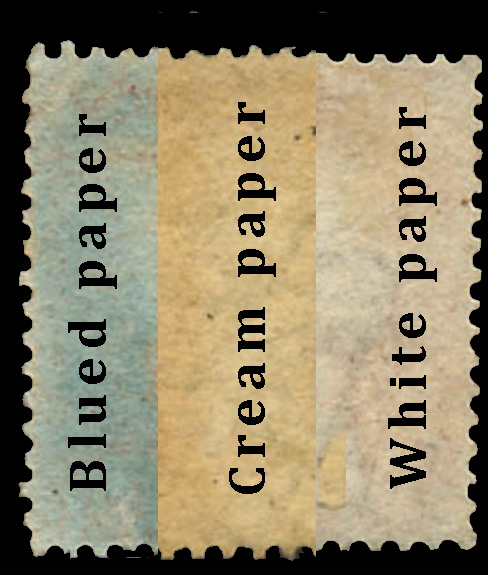
This stamp has shades of blued paper

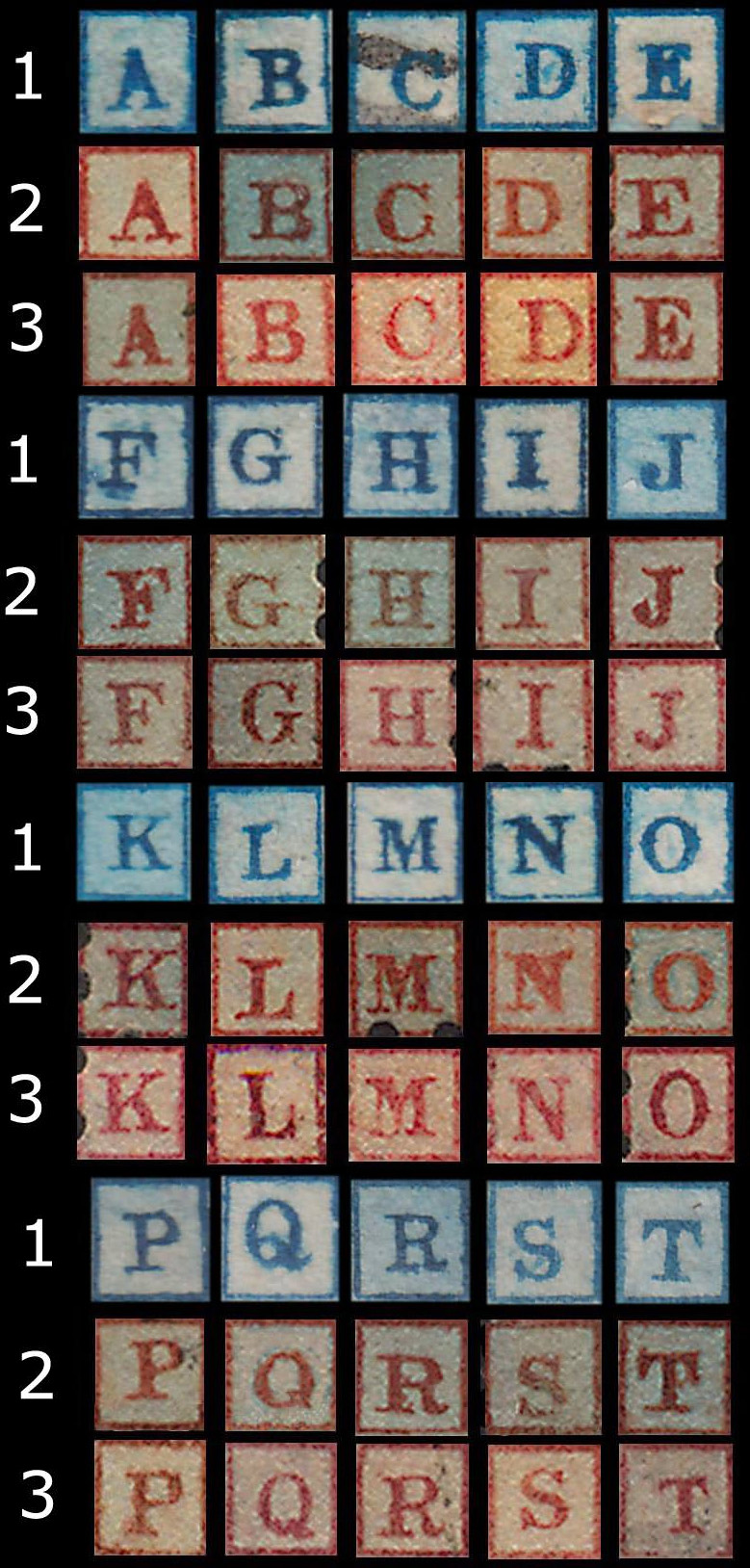
SG16 has alphabet 1

Click the image to enlarge

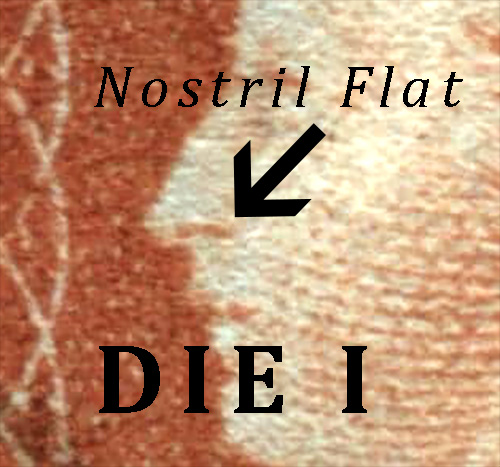
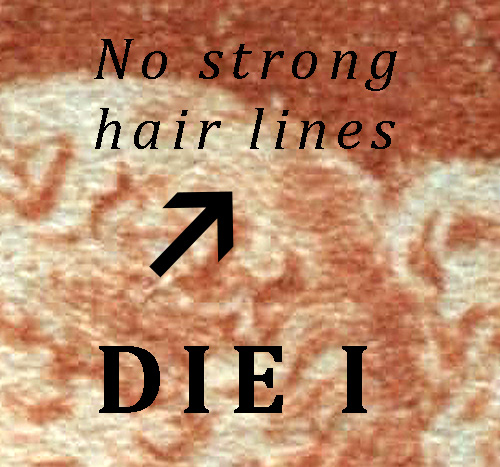
Die I ID

Click the image to enlarge

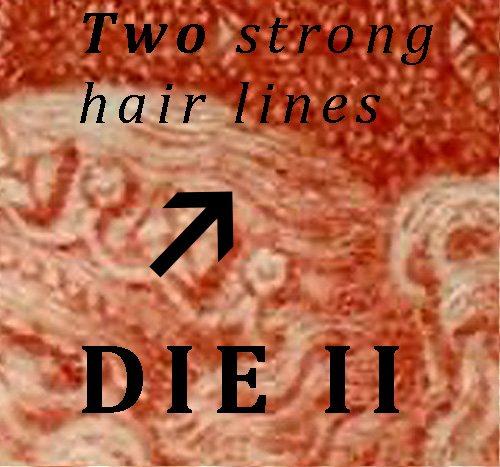
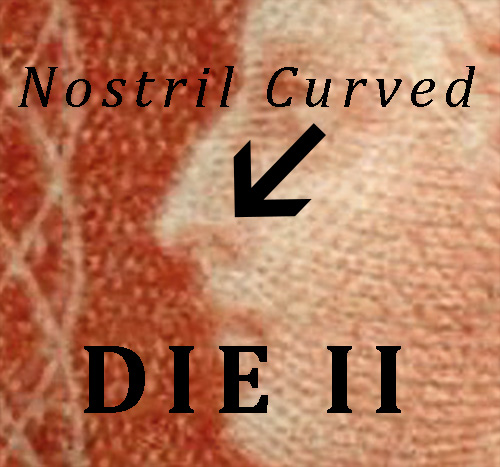
Die II ID

Click the image to enlarge

In depth knowledge

Plate Numbers for SG16: Plate 11
Plate Numbers for SG16a: Plate 70,71
Plate Numbers for SG16b: Plates 8, 71, 79, 90, 91,93, 94, 97-101
Plate Numbers for SG16d: Plates 74, 113

The Archer Perforations

The advantage of having an easy method of separating the stamps were first brought to the notice of the Government by Henry Archer, and Irish London businessman. He submitted his plan to the Postmaster-General by whom it was passed on through various channels and experiments until finally approved. Archer’s patents were copyrights purchased for £4,000 in June 1853 following the success of the Prince Consort Trials. New machines (gauge 16) were constructed by David Napier & Sons. After their installation in Somerset House trials were carried out before official perforating finally became standard procedure. All the experiments and trials are traceable in stamps - insofar as they have survived. These stamps fall into three groups :

Early Archer Experiments with the two rouletting machines.
Both were failures, but of one a few stamps have survived (SG16a), rouletted about 11½ (generally referred to as "12")

Trials on Henry Archer’s third machine.
The first to be based on the perforating, as distinct from the rouletting method. The machine proved very unsatisfactory at first but after extensive repairs and alteration it was finally approved. The stamps which resulted from the trials were generally issued and are known used in different parts of the country - many went to the West of England.

What is the value of SG16?

A mint stamp that has been previoiusly hinged: £2,000-£2,500

Top Image: Trafalgar Square, 1843

GB STAMP GUIDE