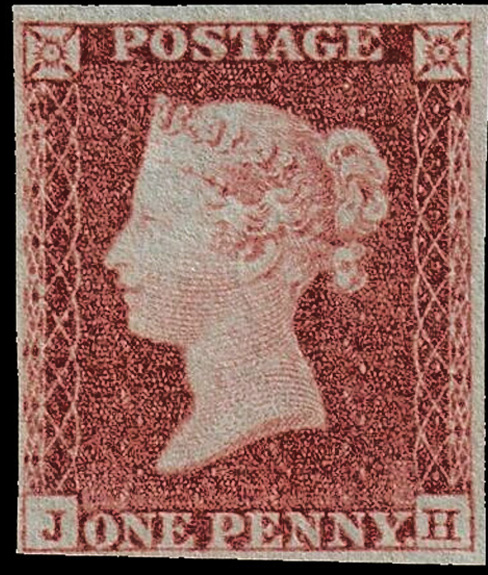
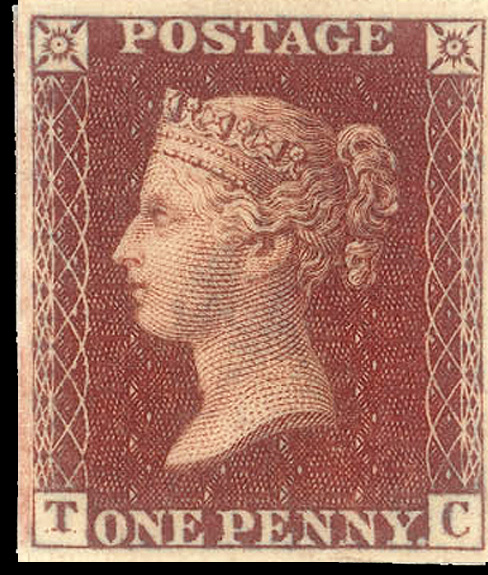
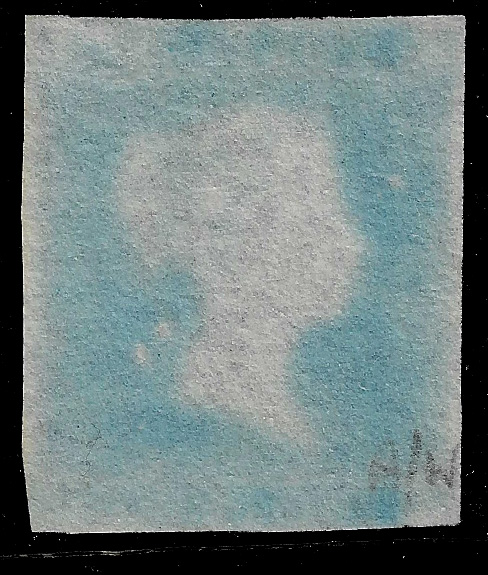
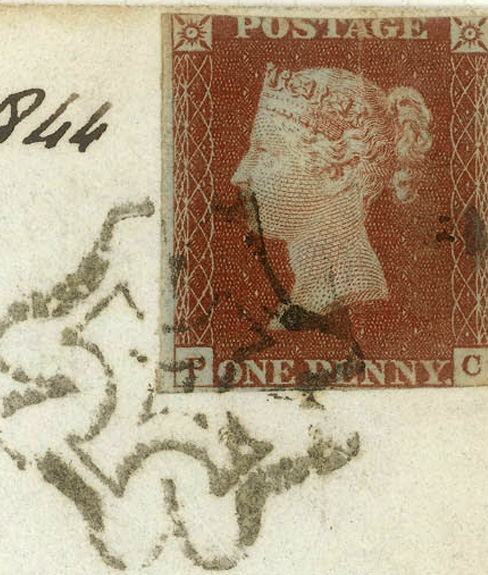
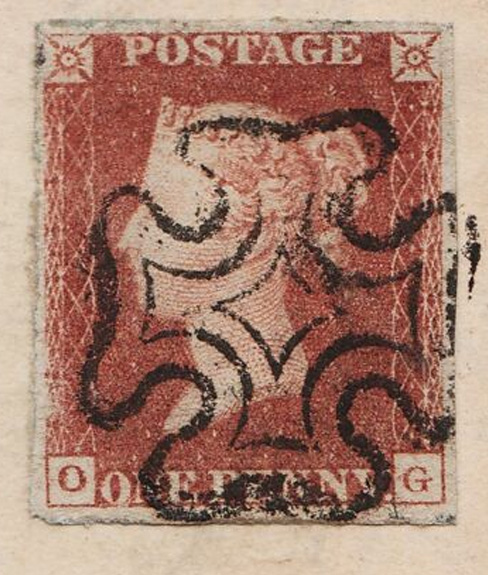
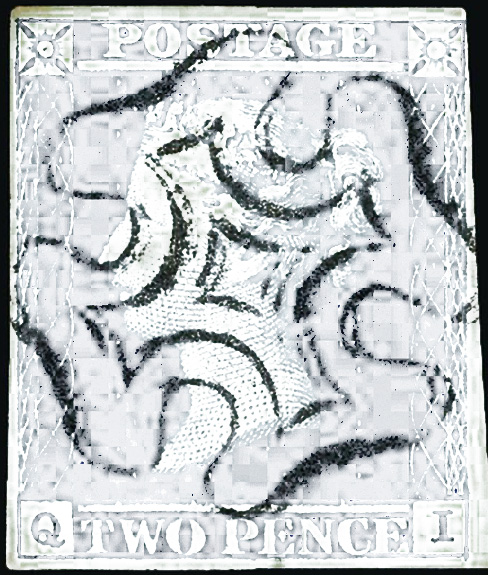
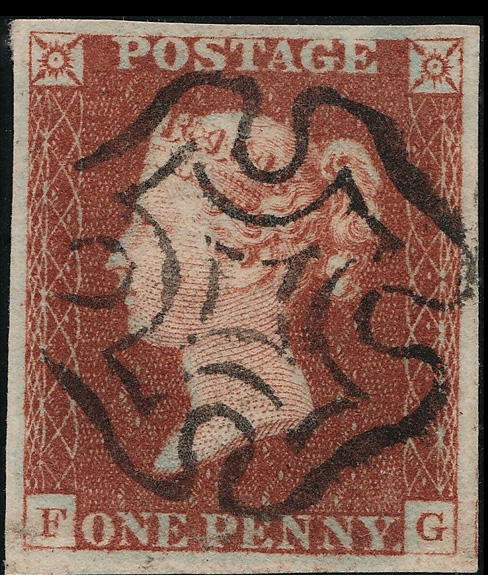
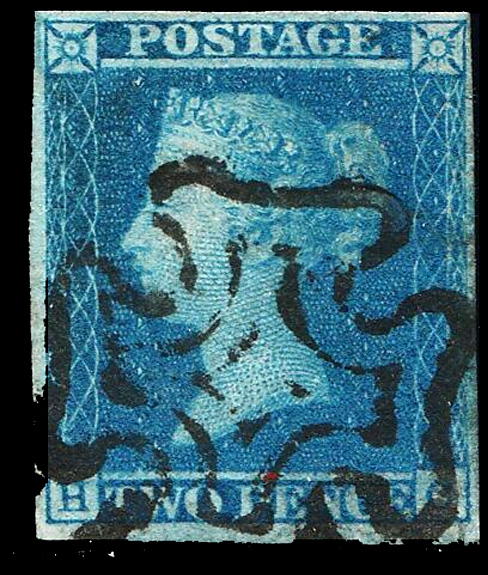
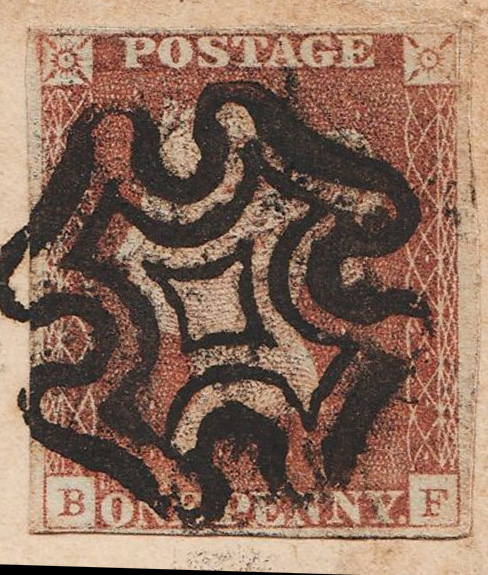
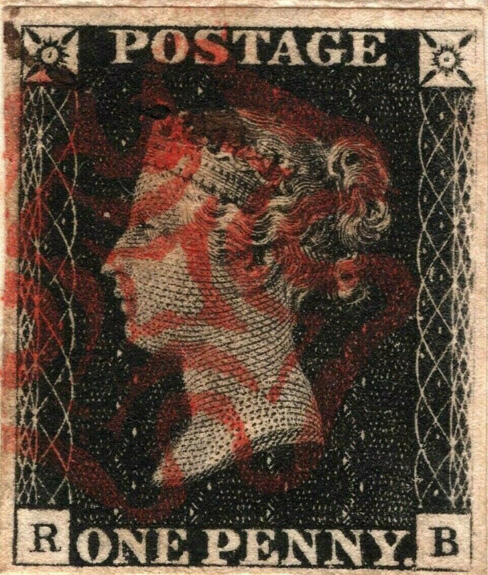
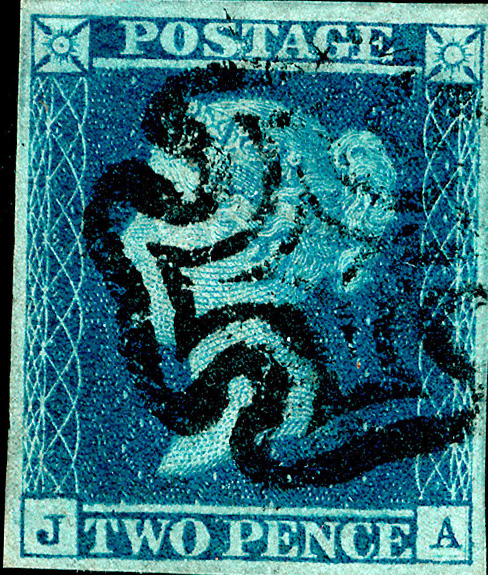
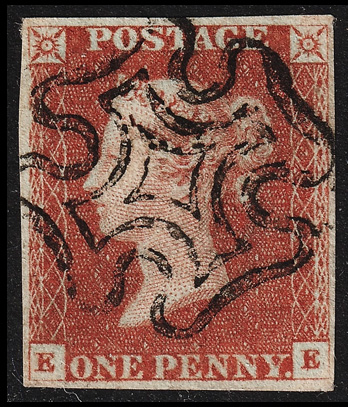
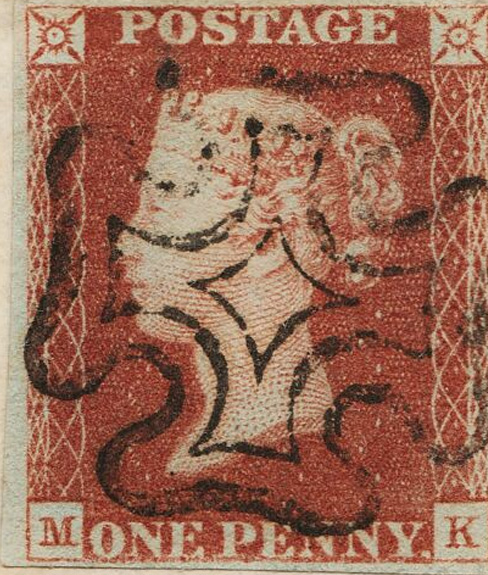
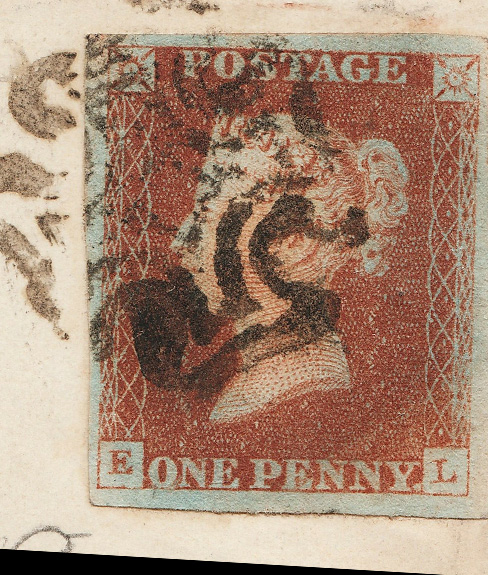
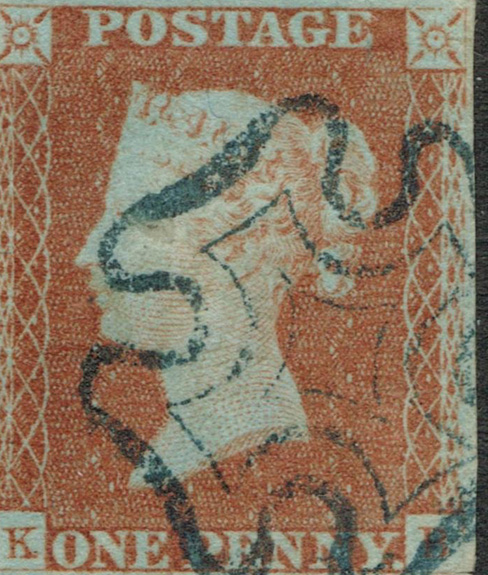
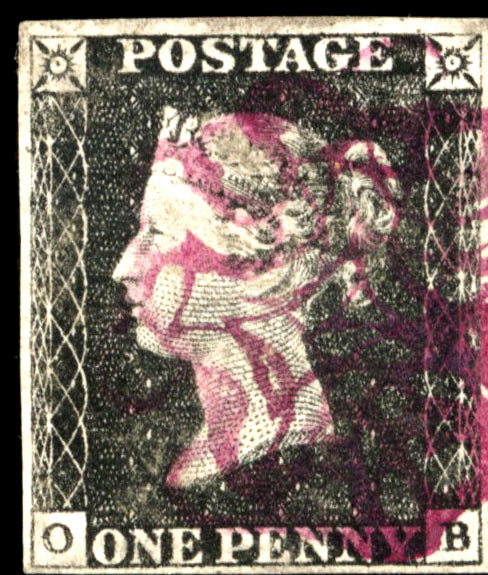
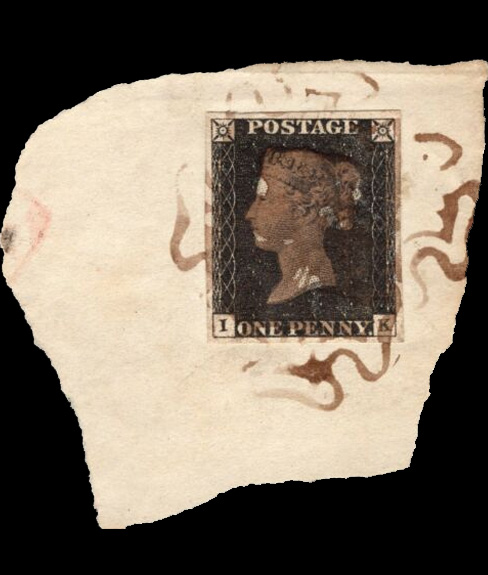
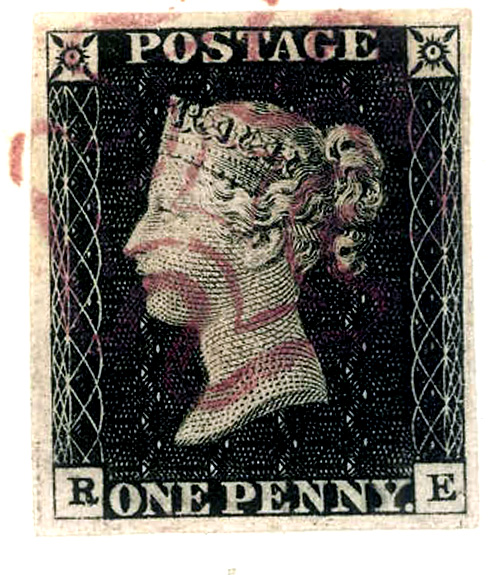
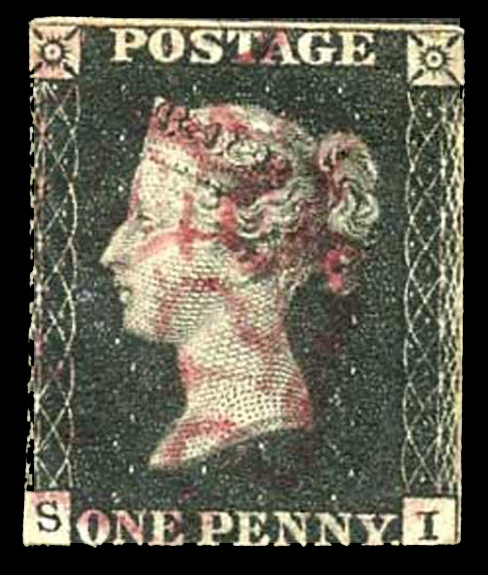
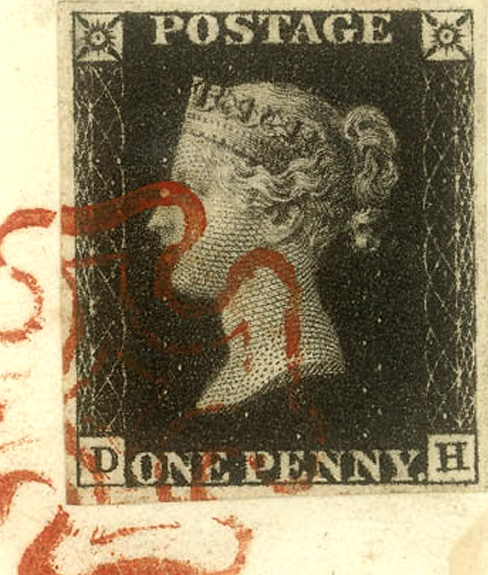
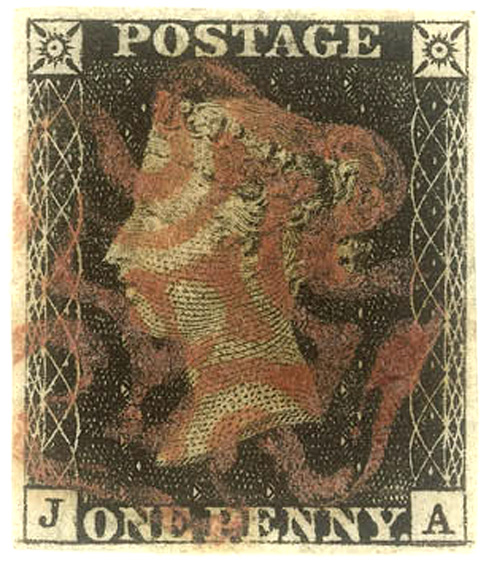
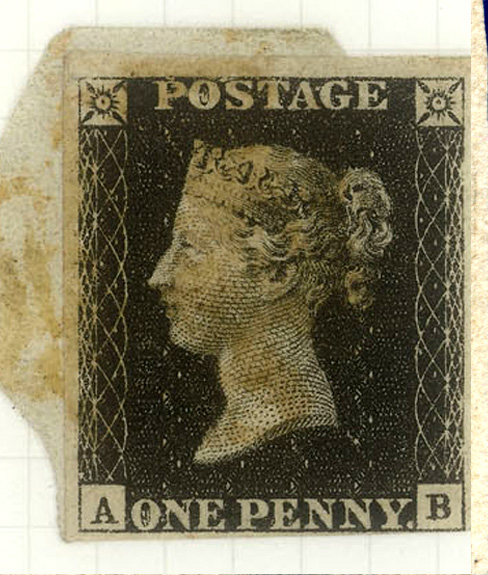
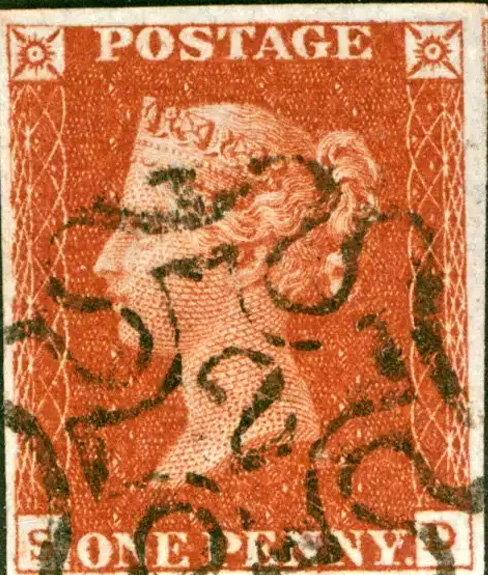
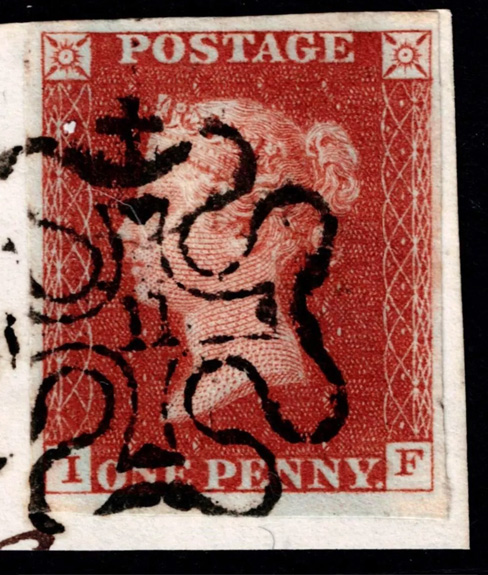
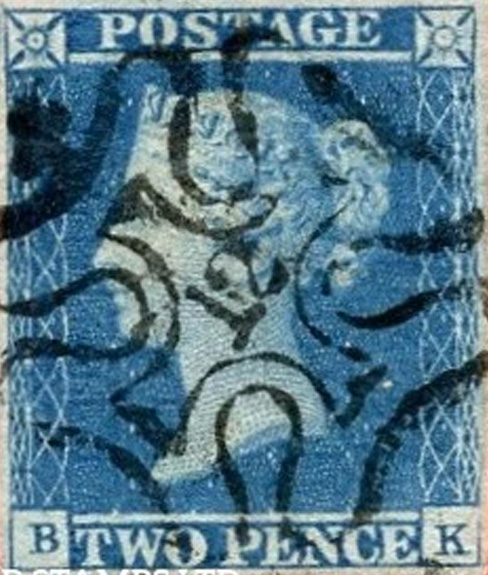
A mint stamp that has been previoiusly hinged: £1,500-£3,000 A used stamp: £6-£16 An ivory head reverse to a stamp makes little difference to the value of the stamp.
In depth knowledge
Plate Numbers for SG11: FEBRUARY 1841 12 through 131 FEBRUARY 1852 132 through 177
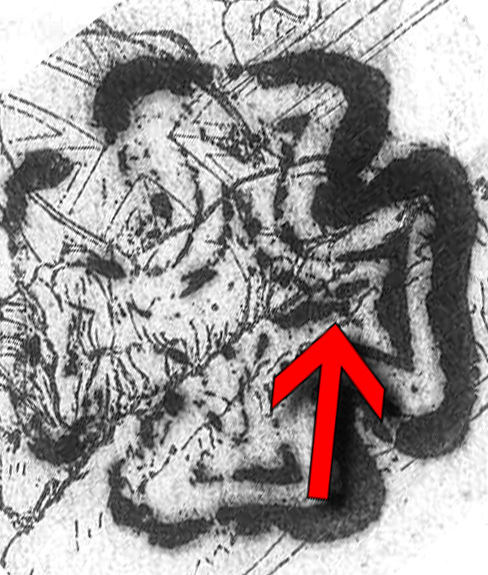
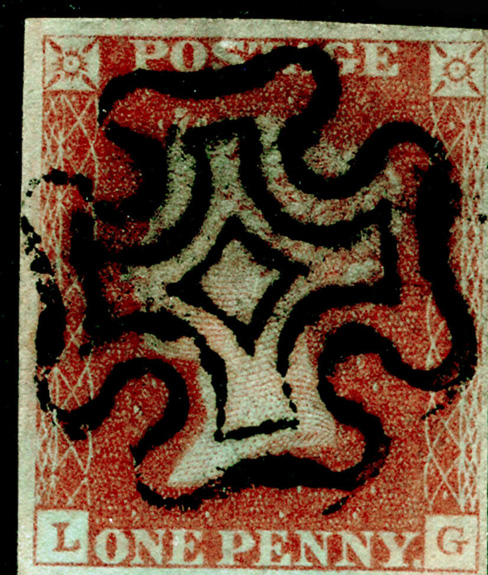
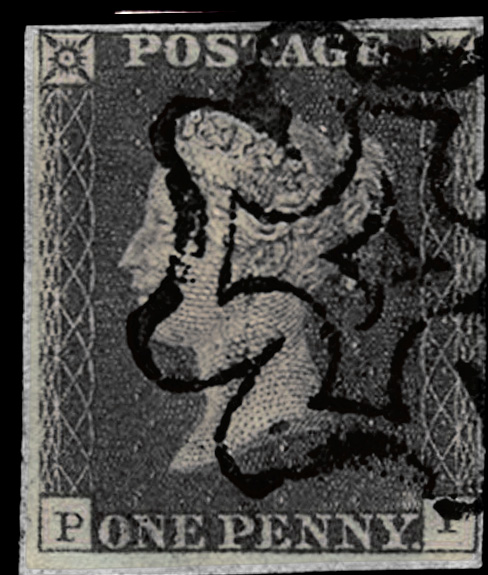
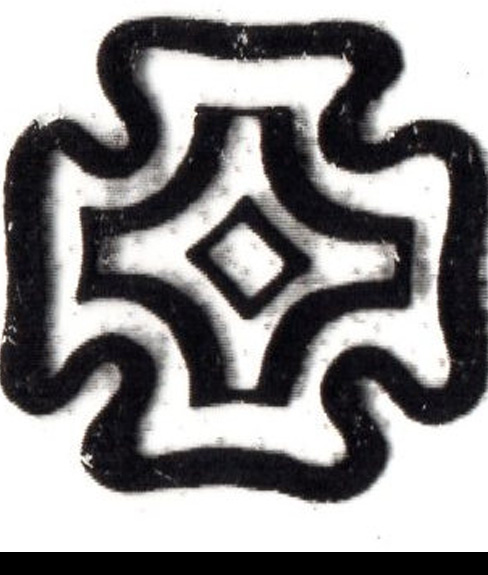
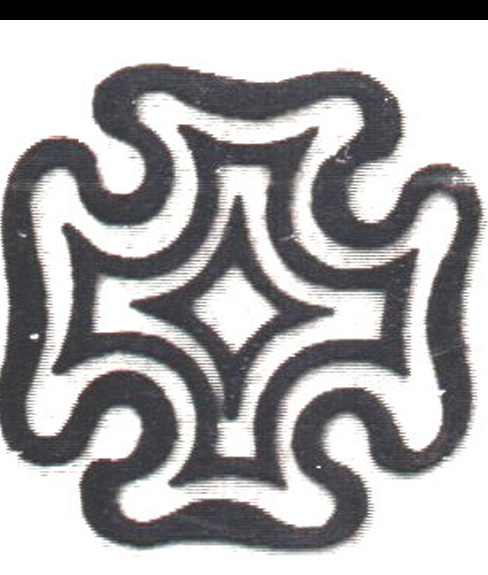
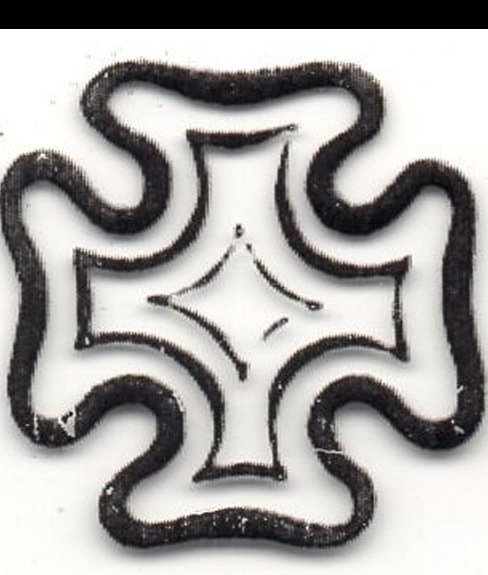
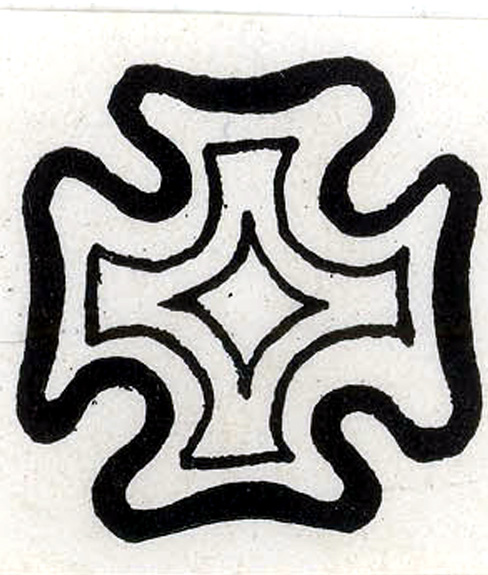
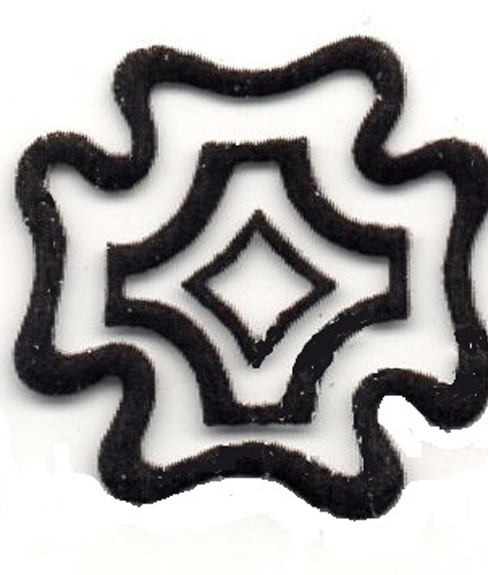
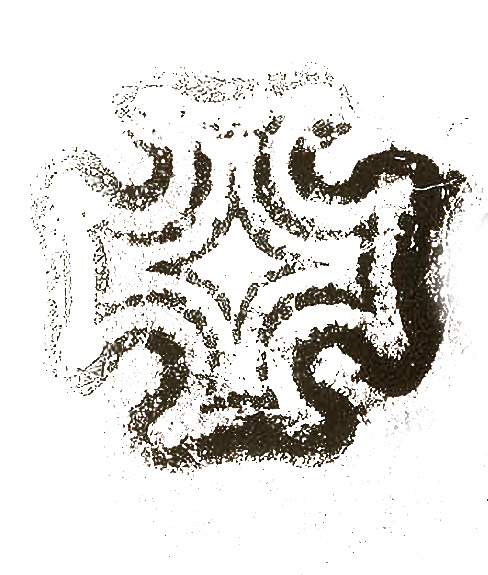
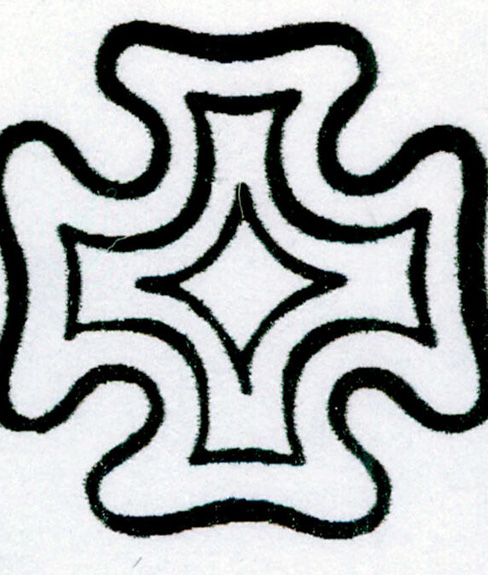
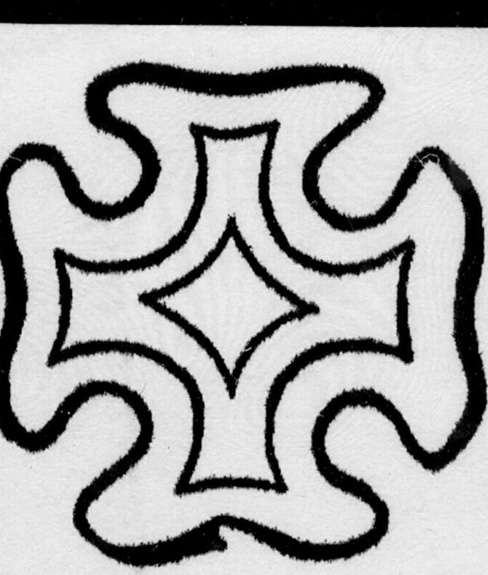
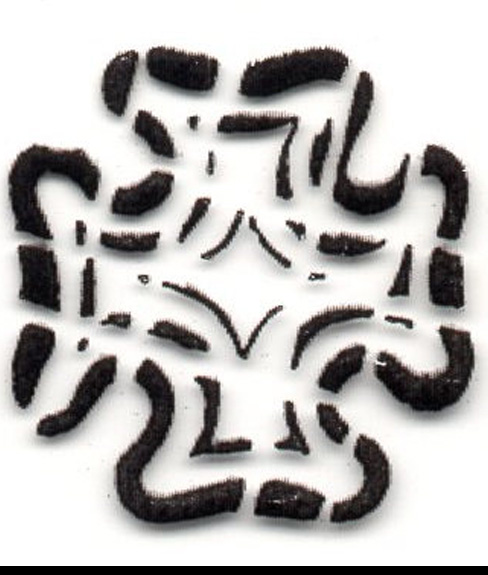
A guide to the distinctive Maltese Cross (MX) cancels
Aberdeen
Click the image to enlarge
Alderney
Click the image to enlarge
Ashton
Click the image to enlarge
Banff
Click the image to enlarge
Belfast
Click the image to enlarge
Brighton
Click the image to enlarge
Catterick
Click the image to enlarge
Channel Islands
Click the image to enlarge
Coleshill
Click the image to enlarge
Cork
Click the image to enlarge
Coventry
Click the image to enlarge
Dublin
Click the image to enlarge
Dumfries
Click the image to enlarge
Edinburgh
Click the image to enlarge
Greenock
Click the image to enlarge
Hollymount
Click the image to enlarge
Johnstown
Click the image to enlarge
Kelso
Click the image to enlarge
Kilmarnock
Click the image to enlarge
Kinallen
Click the image to enlarge
Leamington
Click the image to enlarge
Leeds
Click the image to enlarge
Lewes
Click the image to enlarge
Limerick
Click the image to enlarge
Manchester
Click the image to enlarge
Melksham
Click the image to enlarge
Montrose
Click the image to enlarge
Mullinger
Click the image to enlarge
North Allerton
Click the image to enlarge
Norwich
Click the image to enlarge
Oxford
Click the image to enlarge
Perth
Click the image to enlarge
Plymouth
Click the image to enlarge
Scotland Large Diamond
Click the image to enlarge
Scotland Small Diamond
Click the image to enlarge
Sterling
Click the image to enlarge
Stonehaven
Click the image to enlarge
Tadcaster
Click the image to enlarge
Tallow
Click the image to enlarge
Tarporley
Click the image to enlarge
Tunbridge Wells
Click the image to enlarge
Welshpool
Click the image to enlarge
Whitehaven
Click the image to enlarge
Wincanton
Click the image to enlarge
Wotton-under-edge
Click the image to enlarge
York
Click the image to enlarge
A guide to the 12 numbers in Maltese Cross (MX) cancels
#1
#2
#3
#4
#5
#6
#7
#8
#9
#10
#11
#12
The purpose of adding a number to the Maltese Cross cancellation on British postage stamps, which began in March 1843 in London and more widely in 1844, was to identify the specific post office or postal worker responsible for cancelling the stamp. Internal Monitoring: In London (1843), the numbers 1-12 were introduced to the center of the cross, likely as a method to monitor the performance of specific postal employees at the General Post Office. They were superceded by bar cancels in 1844.
A guide to the colours of Maltese Cross (MX) cancels
Black
Click the image to enlarge
Blue
Click the image to enlarge
Bright Orange
Click the image to enlarge
Bright Violet
Click the image to enlarge
Brown
Click the image to enlarge
Brownish-Red
Click the image to enlarge
Lilac-Rose
Click the image to enlarge
Magenta
Click the image to enlarge
Orange-Brown
Click the image to enlarge
Orange-Red
Click the image to enlarge
Pink
Click the image to enlarge
Purple
Click the image to enlarge
Red
Click the image to enlarge
Ruby
Click the image to enlarge
Vermilion
Click the image to enlarge
White
Click the image to enlarge
Yellow
Click the image to enlarge
The Maltese cross cancel changed from red to black in February 1841 primarily to prevent fraud, as the original red ink was easily cleaned off the Penny Black stamps, allowing them to be reused. Switching to a more durable black ink, and subsequently changing the stamp color from black to red, ensured the cancellation could not be removed without damaging the stamp. The penny black was changed to the penny red in order to make the black cancel more visible.
The eight points of the cross also represent the eight “lingue” (national groupings) of the Order's members, namely: Auvergne, Provence, France, Aragon, Castile and Portugal, Italy, Germany and England (with Scotland and Ireland). The complex, eight-pointed shape was designed to "obliterate" the stamp effectively so that the ink would be difficult to clean off, ensuring the stamp could not be used again